Interviewing
Pivoting Premise
Initial iterations of this project—many of which were digital—were proven fruitless, whether the results were too generic or the idea itself felt stale among team members. Considering all of the data and interviews we’ve gathered so far, we’ve concluded the following key points:
- The digital experience is overemphasized
- The community of students knows best
- The post-pandemic effected a yearning for socialization
So, rather than designing or redesigning a digital app or physical navigational tool, we sought for an enhanced experience in interactions among the students to help each other find classes through already available resources. And what better resource than the students themselves?
“asking for help when a readily available resource [maps] was there felt embarrassing...”
“UCSD campus maps in general are just unhelpful and outdated.”
“I referred to Reddit to find where it [a class] was.”
“decided to follow where most students were heading...”
“I was taking those classes with someone that was already familiar with the area.”
Brainstorming
Through brainstorming, we constructed a variety diagrams that breaks down our problems, demographics, facts, and ideas gathered through our interviews.
Identity Model
We analyzed a general consenous of
I am...
I am a student at UCSD who has to travel to different buildsing on campus for my classes/lectures.
I am unfamiliar with the campus due to external circumstances, a student who is setting foot on campus for the very first time.
I am someone who likes to know where I am going with easy to use navigation services so that I may know where certain locations are.
I am deserving of navigation al services that can lead me to the right lcocation without too much difficult
I plan...
I plan to be familiar with the campus locations and environment wthrough experience of traveling from one place to another.
I plan to help others with navigation to places that I am familiar with
I like...
Easy to read maps
Updates maps and directories
Easy to use naviation services
Affinity Diagram
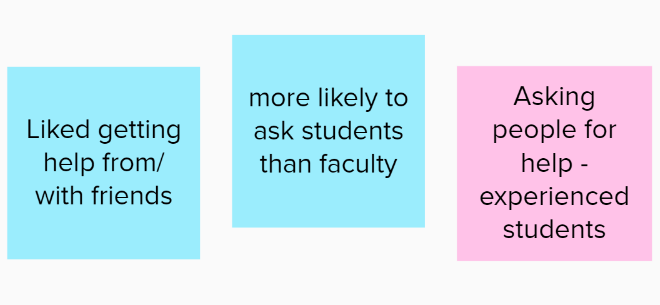
We dismantled and reorganized many of the thoughts and discussions gathered in our interviews into an affinity diagram and noticed multiple pain points.
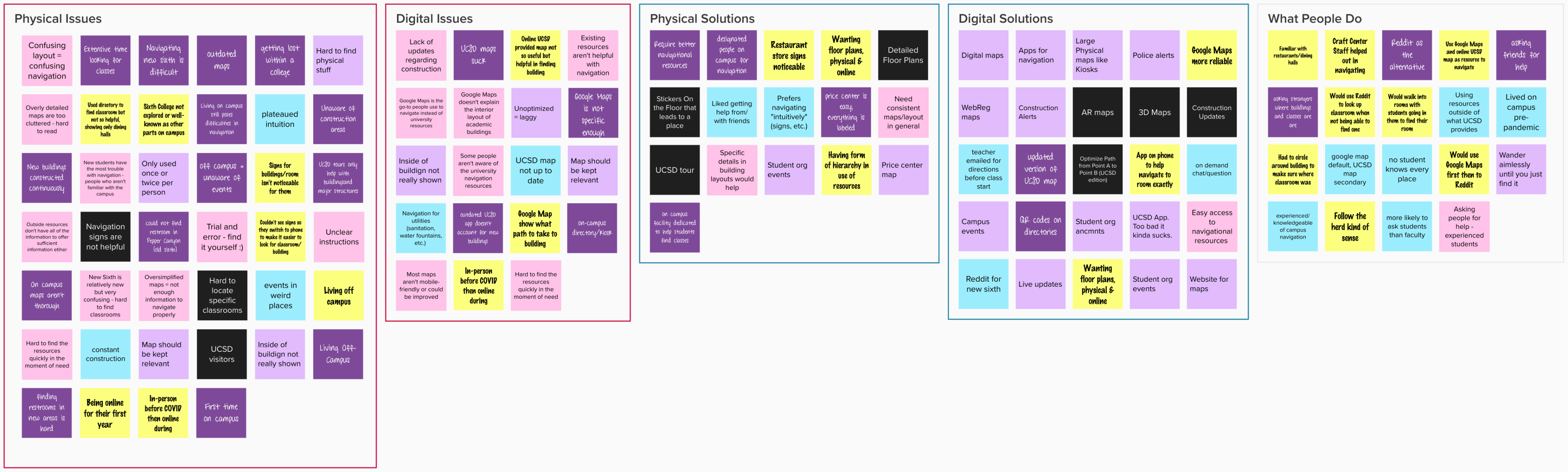
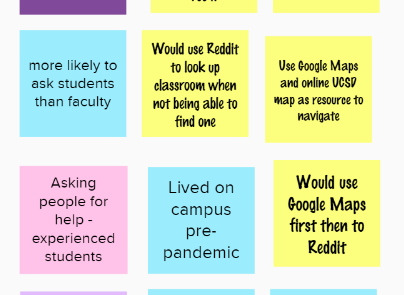
Multiple instances of asking real people through various sources, in real life and digitally, over inanimate resources
Few of the many instances of people never using Campus Map, the official UCSD map app.
Sensation Model
Because this project is approaching a non-digital space, we thought best to interpret the interface of the real world through a sensation model.
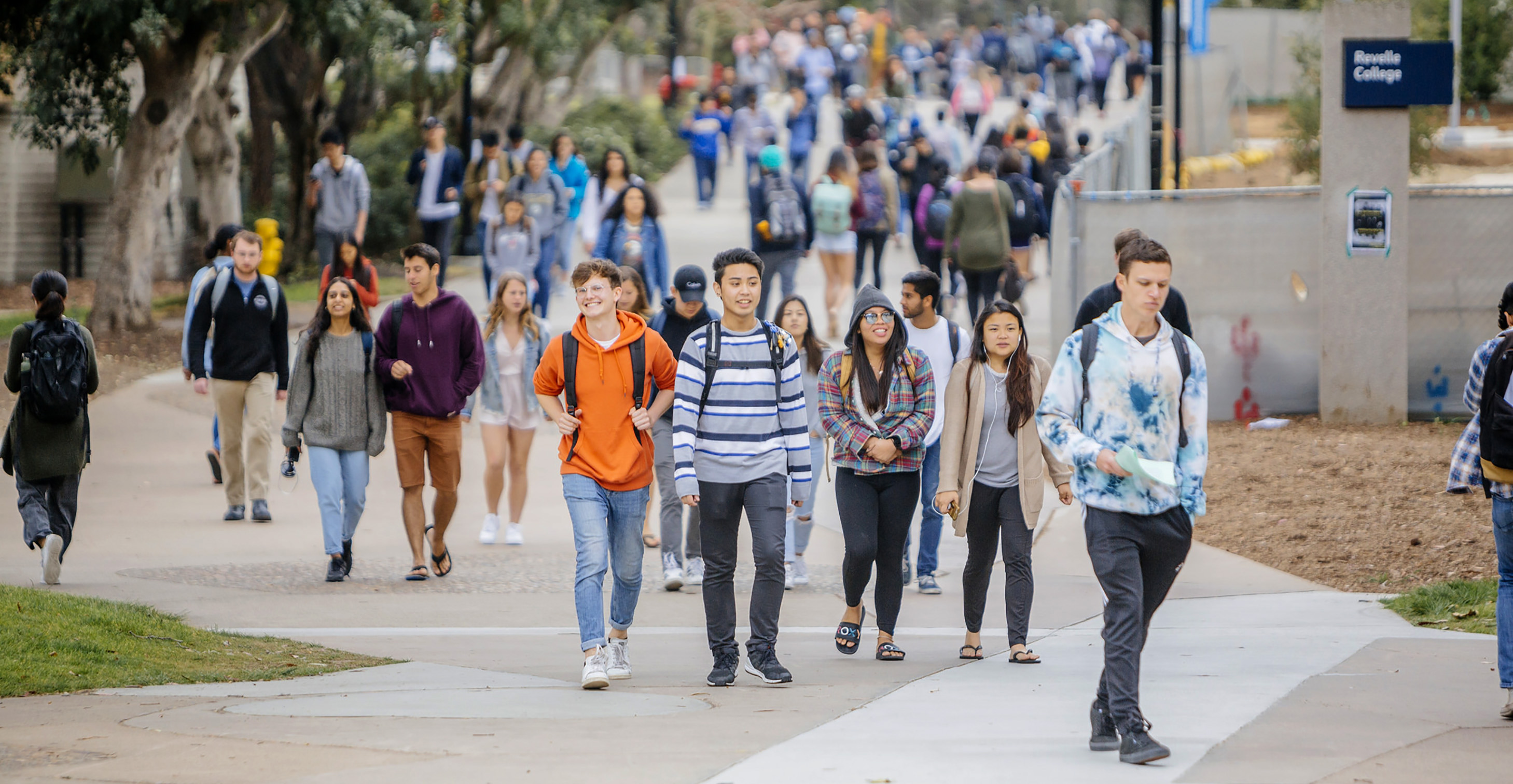
college experience
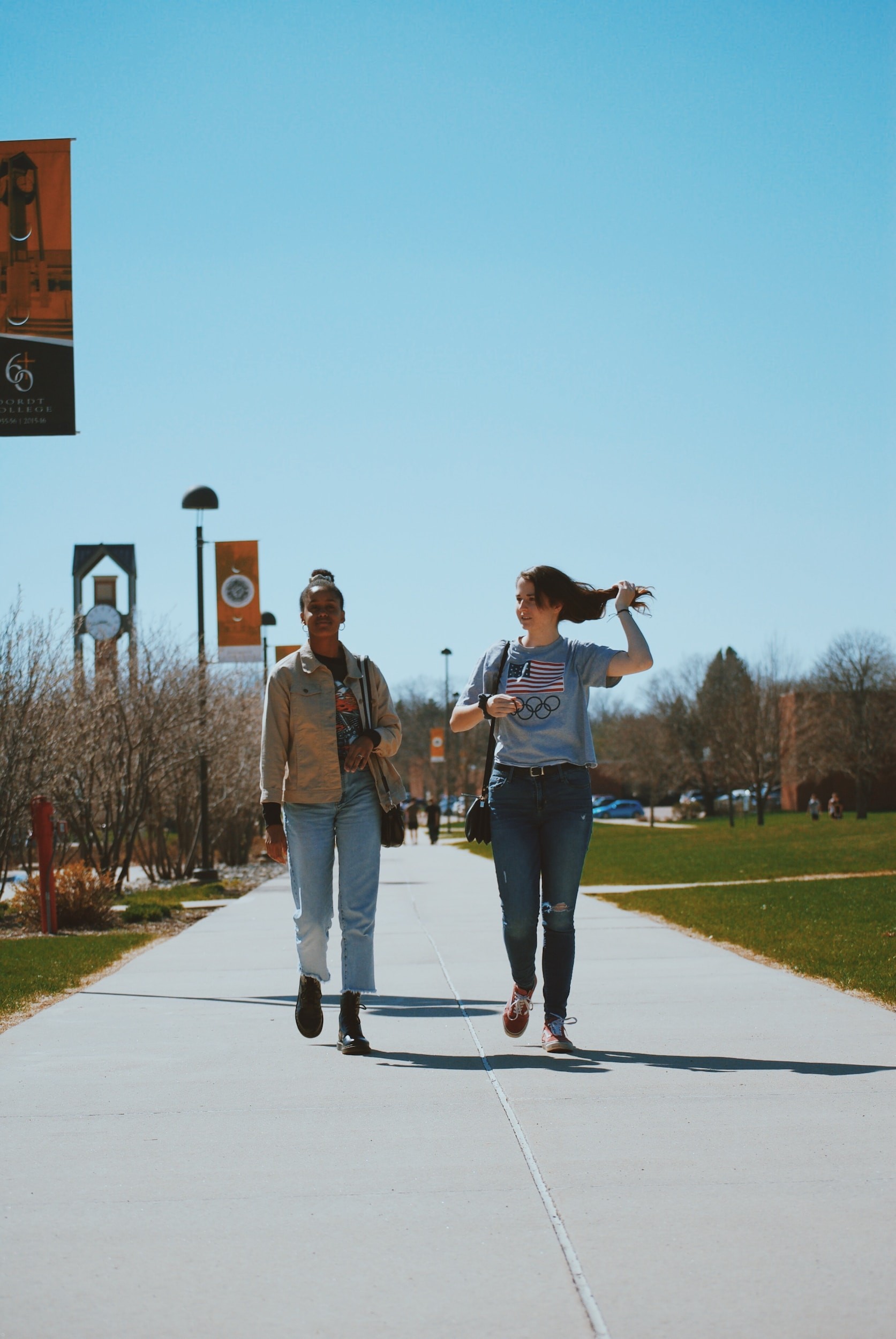
walking together
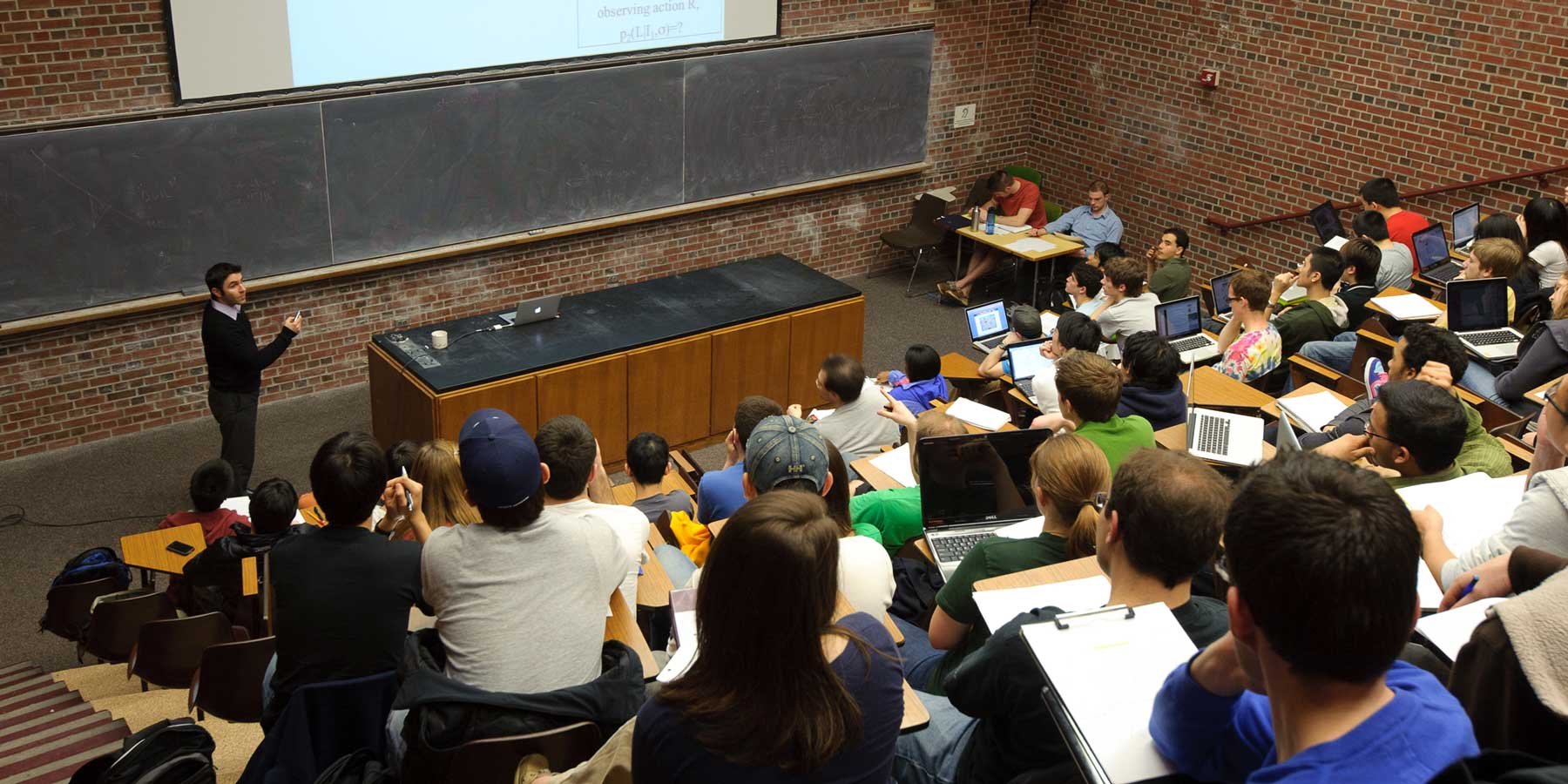
on-time learning

meeting up
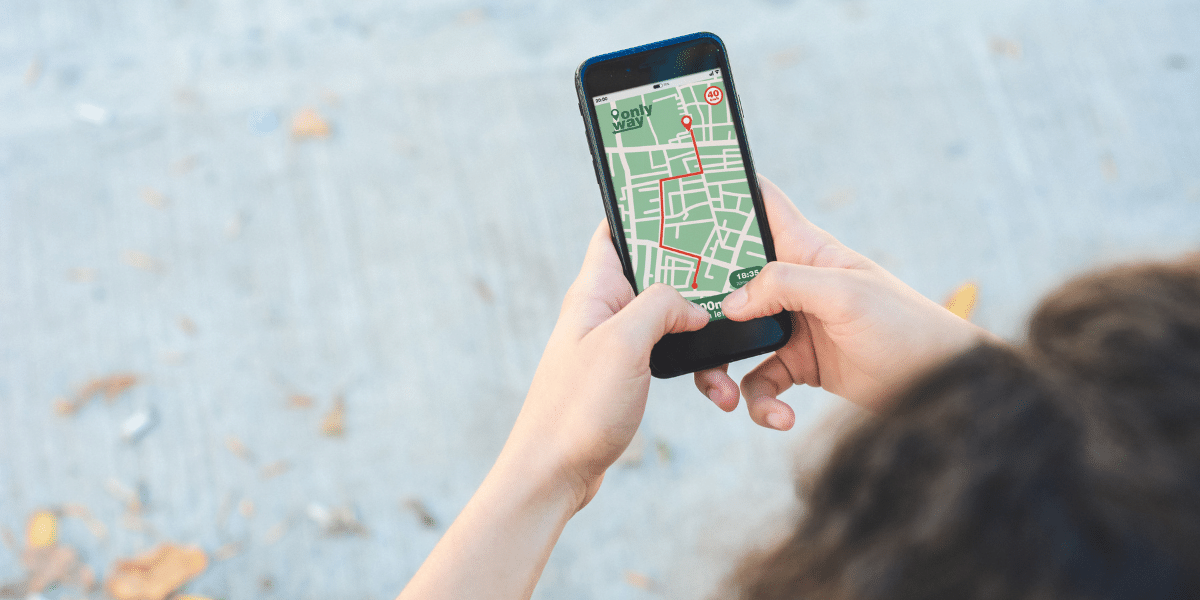
go-to
services
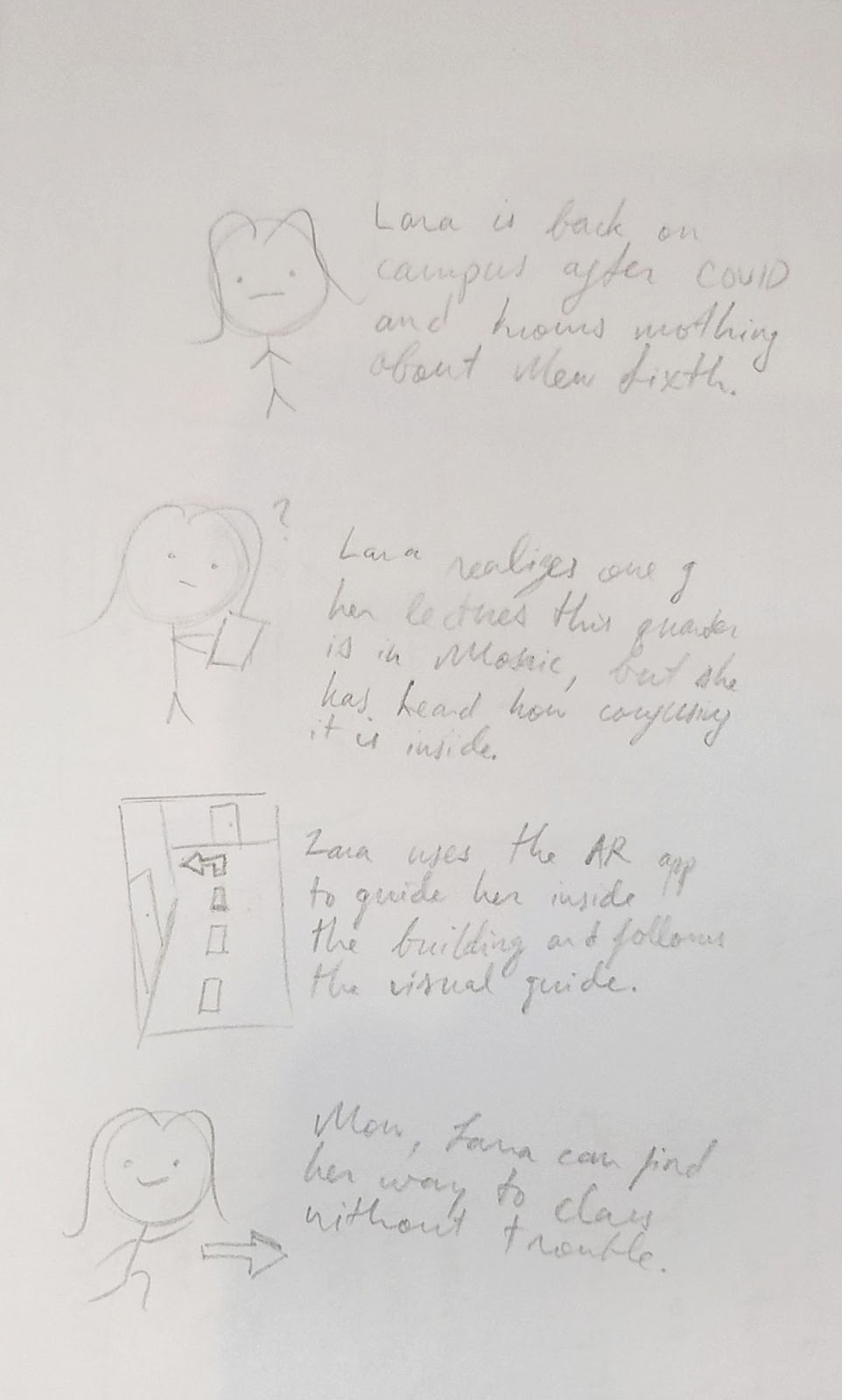
Storyboards
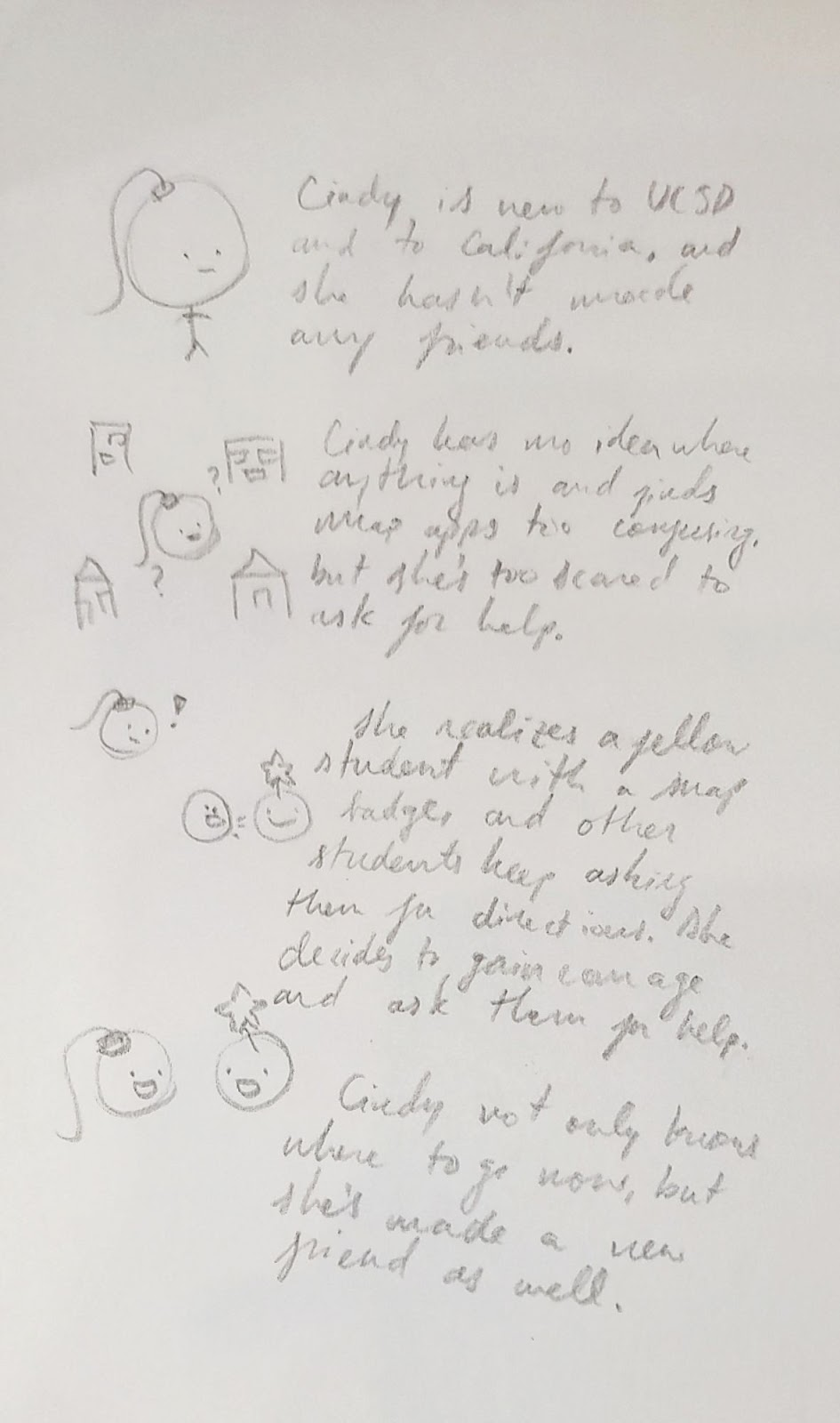
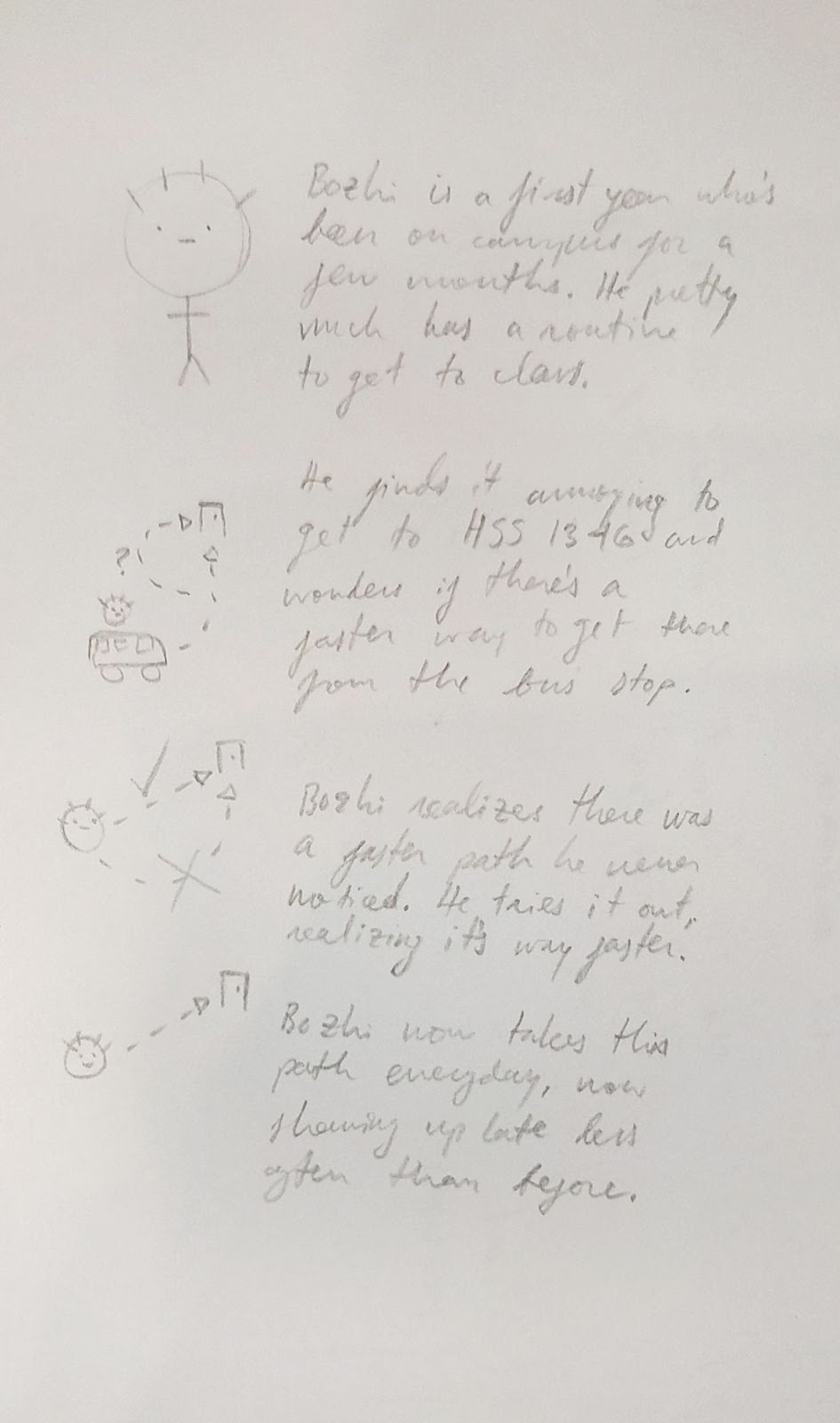
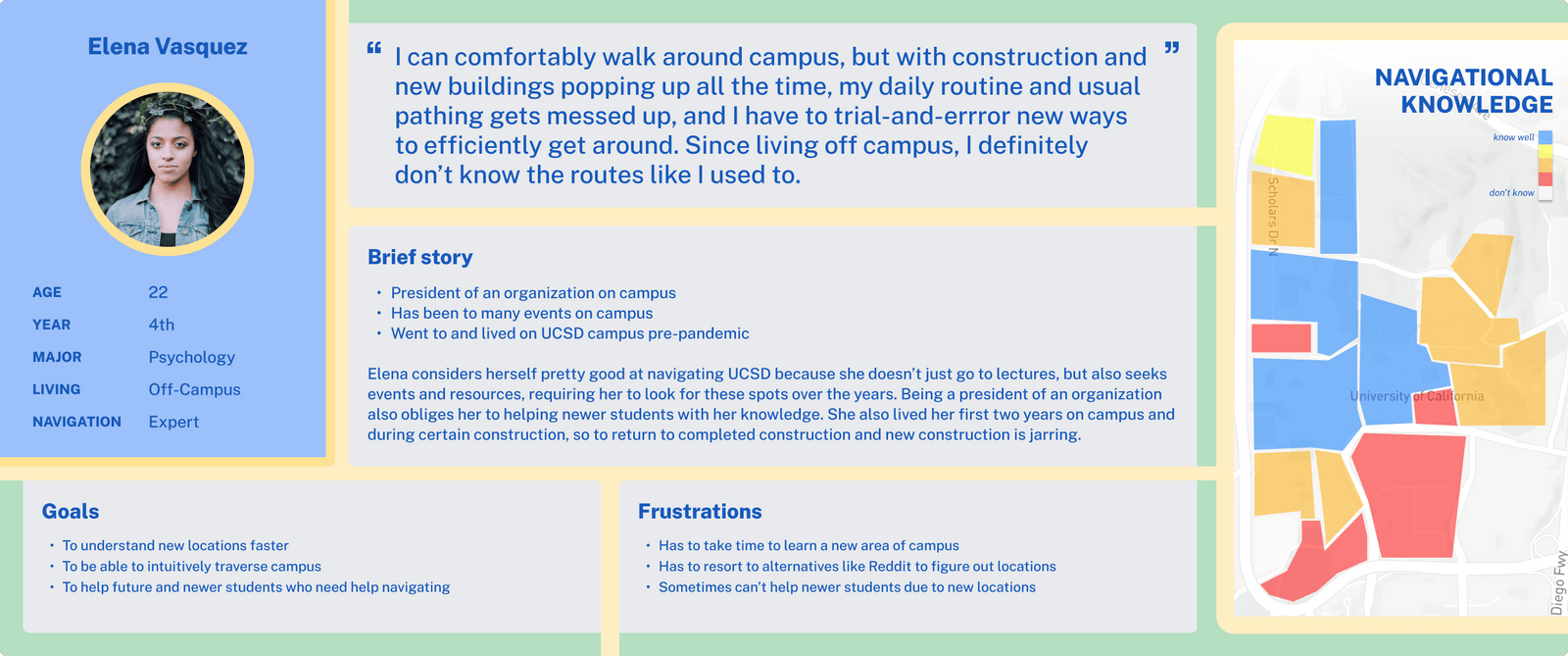
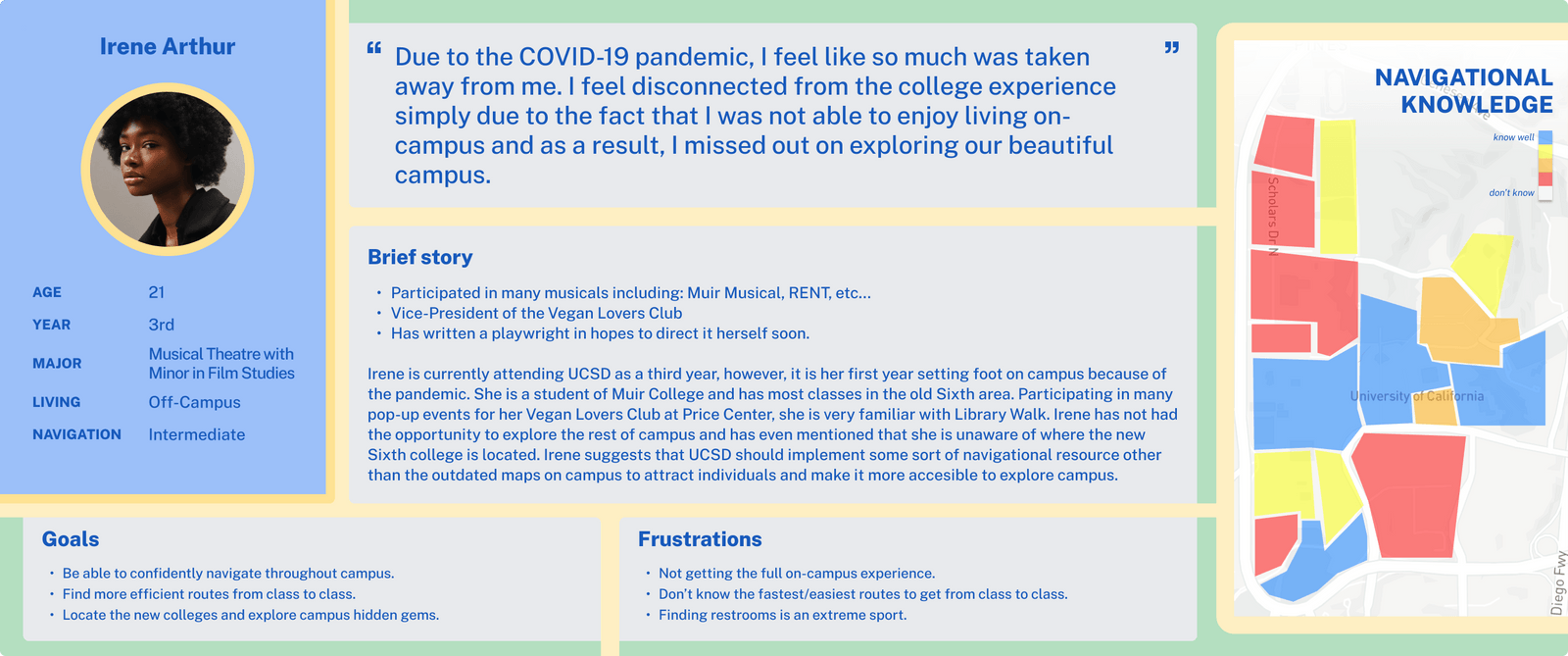
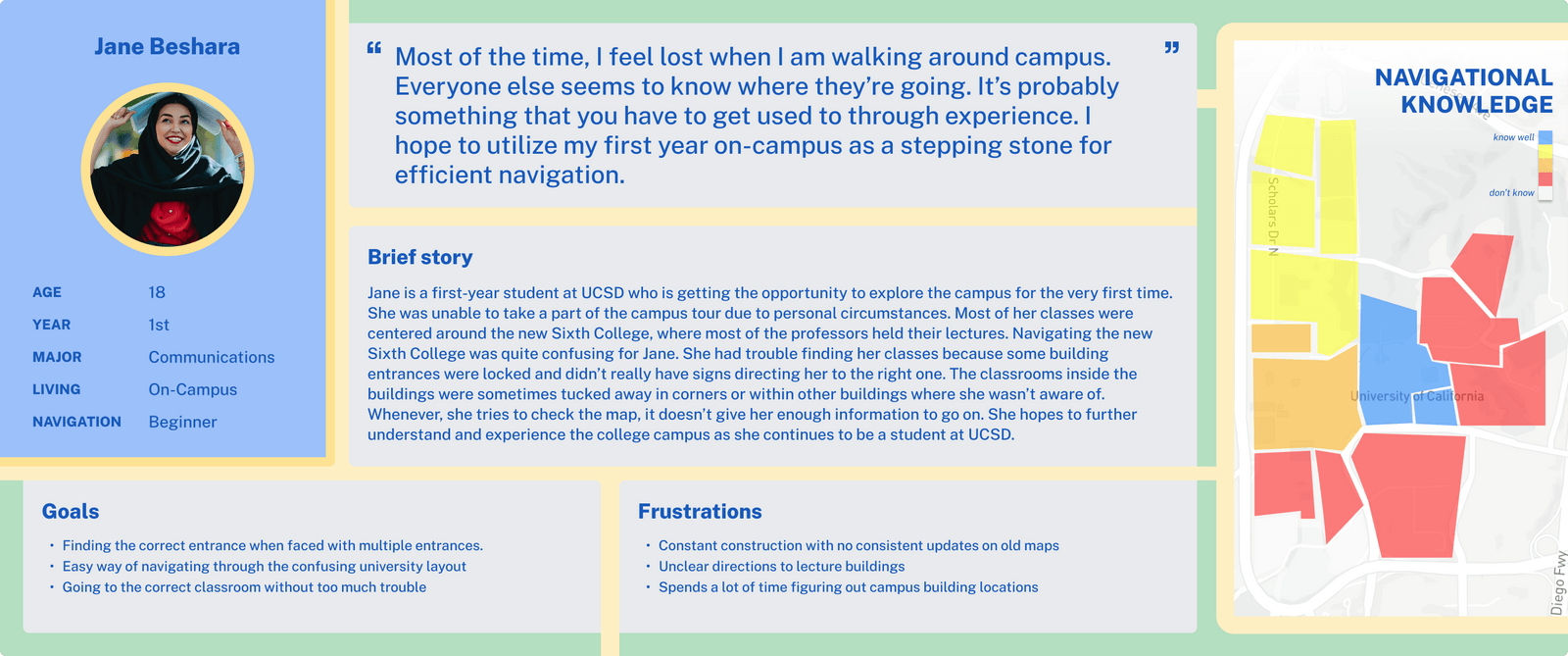
Personas
Artifacts
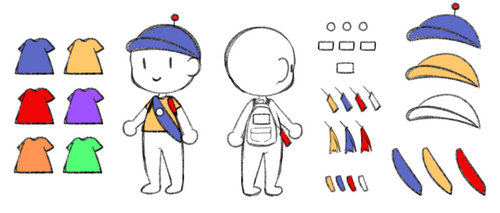
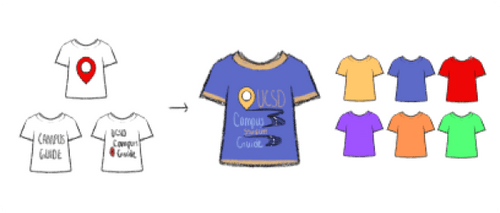
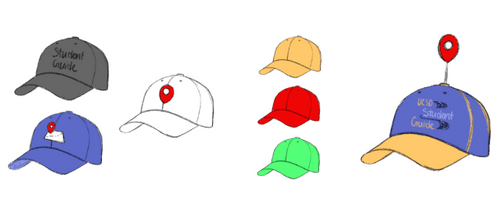
Now, to the fun part of this project: testing for the most effective artifact! We considered every potential artifact, then eliminated those with obvious constraints. This included sketches the various artifacts and forming a table to discuss their various pros and cons to their features.
Artifact Chart
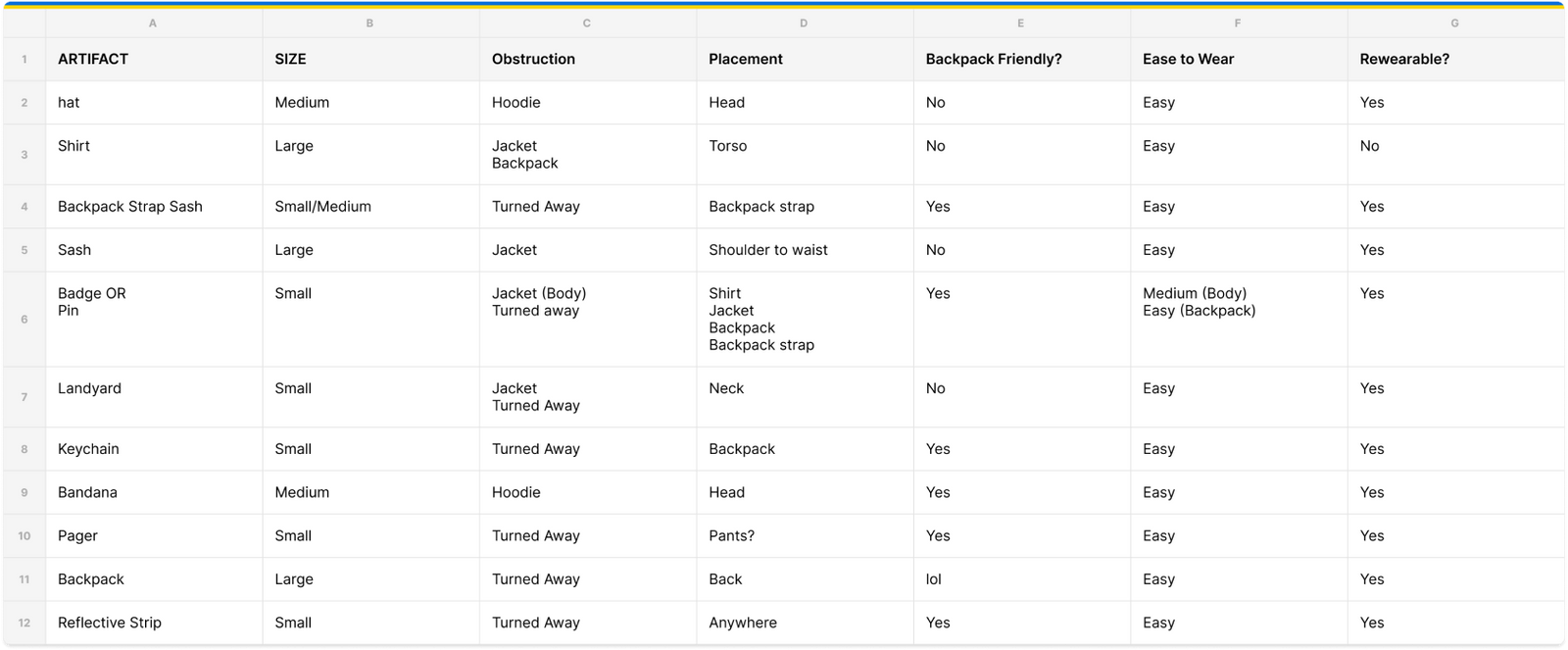
Sketches
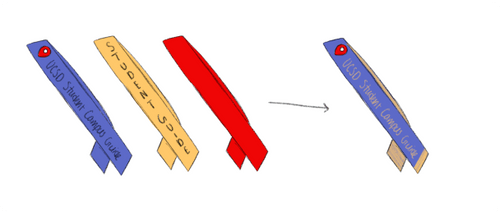
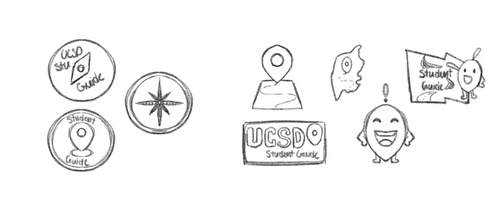
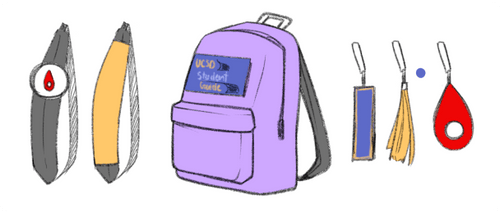
Artifact Surveying
Initial iterations of this project—many of which were digital—were proven fruitless, whether the results were too generic or the idea itself felt stale among team members. Considering all of the data and interviews we’ve gathered so far, we’ve concluded the following key points:
- The digital experience is overemphasized
- The community of students knows best
- The post-pandemic effected a yearning for socialization
So, rather than designing or redesigning a digital app or physical navigational tool, we sought for an enhanced experience in interactions among the students to help each other find classes through already available resources. And what better resource than the students themselves?
Experience Prototype
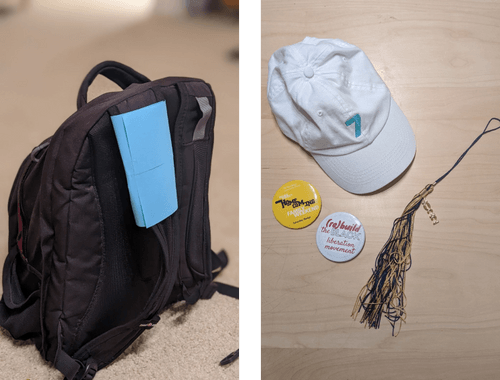
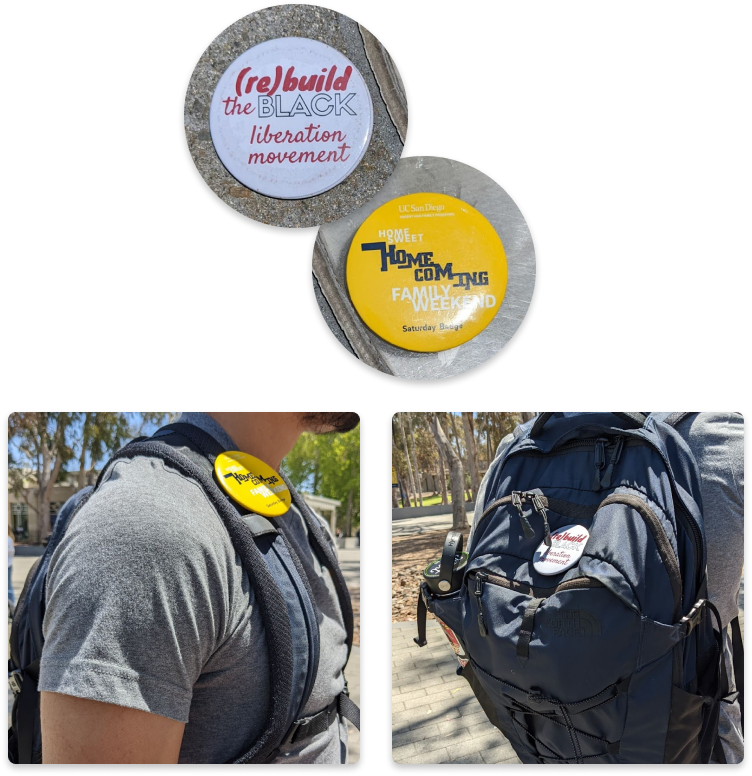
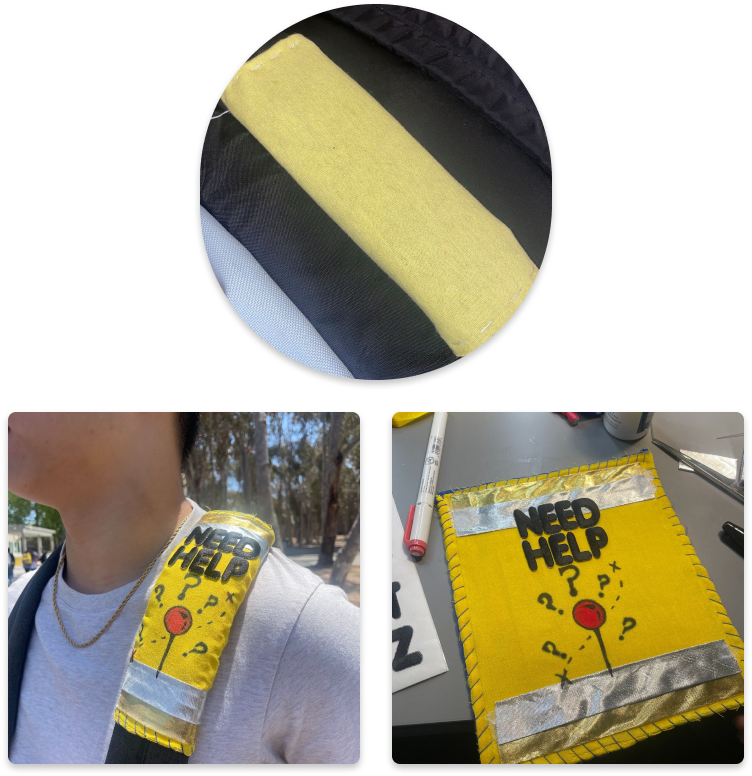
While I rummaged through my pin collection for the most appealing ones, another teammate constructed a sleeve of fabric to wrap around a backpack strap. This is to prepare for a guerilla testing of an experience prototype.
Pins
As a collector of UCSD pins, I took two of the biggest and brightest ones within my collection that I could find.
Strap Sleeves
Anahi crafted a cloth indicator with a “Need Help” and red pin with question marks surrounding it as the strap sleeve.
Artifact Surveying
Initial iterations of this project—many of which were digital—were proven fruitless, whether the results were too generic or the idea itself felt stale among team members. Considering all of the data and interviews we’ve gathered so far, we’ve concluded the following key points:
- The digital experience is overemphasized
- The community of students knows best
- The post-pandemic effected a yearning for socialization
So, rather than designing or redesigning a digital app or physical navigational tool, we sought for an enhanced experience in interactions among the students to help each other find classes through already available resources. And what better resource than the students themselves?
Trial (s)
Pins
Sleeve
1
0:53
0:22
2
0:52
1:02
3
2:18
1:02
4
1:30
0:11
5
1:20
1:32
6
1:44
0:33
7
1:11
0:20
8
1:54
0:12
9
1:20
0:31
10
2:10
:50
avg
1:31
0:39

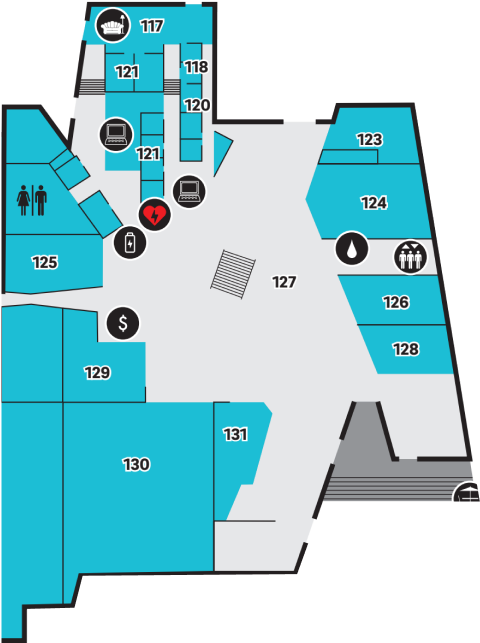
Path of Waldos in red

Reflection
More Straps, Please
One notable issue with the strap sleeve is obstruction when the wearer had it opposite to the person trying to find them. To improve its features, a sleeve on both straps would prove much more effective than one, essentially making the sleeves visible from both sides of the guide rather than just one.
Testing the strap sleeve further with plenty more user tests would also be helpful since we only tested on 20 people total.
Beyond the Technical
This particular project taught me the possibilities of UX outside of digital iterations that I commonly resort to in other projects. As we explored and iterated, concepts beside digital ones captured our attentions, and to then reframe our minds to avoid the typical route led to interesting and effective prototypes.